Common Mistakes in Heathland Restoration Projects and How to Avoid Them
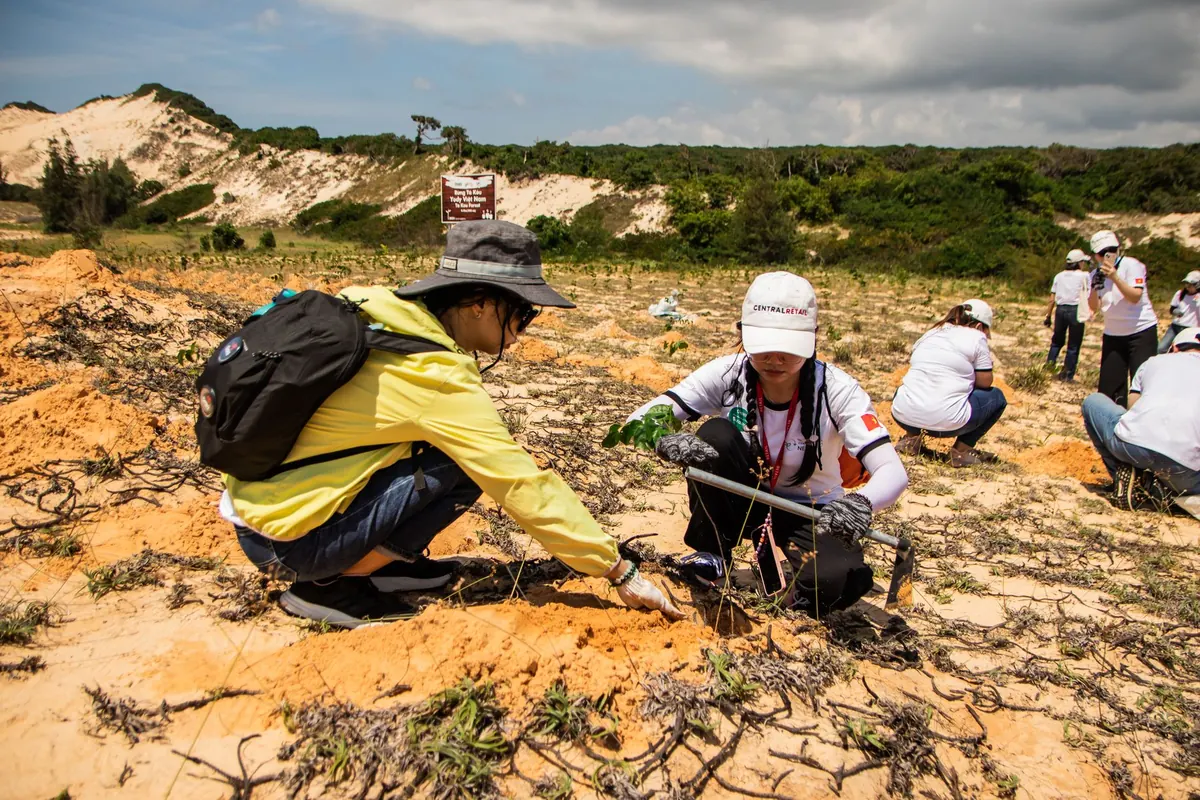
Heathland looks simple from a distance: low shrubs, sandy soil, a few startled birds. Restoring it is anything but simple. These are among the most tightly balanced habitats in Europe, shaped by centuries of grazing, cutting and burning by people who depended on them. Take away that management and the whole thing collapses into scrub, bracken or coarse grass within a couple of decades. Try to bring it back and you are working against soil chemistry, seed banks and weather at the same time.
Most failed projects fail for predictable reasons. Not mysterious ones. The same handful of mistakes shows up again and again, and almost all of them can be spotted before the first machine arrives on site.
1. Treating Restoration as a Construction Job
The word "restoration" suggests you build something once and walk away. Heathland does not work that way. It is a managed system, and the management is not optional maintenance — it is the thing that creates the habitat.
Projects that set a three-year plan with no budget for year ten tend to produce a brief flush of heather and then lose the plot. Before any capital work begins, ask who will graze, cut or burn the site in five years, ten years, thirty years. If nobody can answer, the correct decision is usually to scale down the ambition and work on a smaller area that can genuinely be sustained.
Practical rule: budget for management from day one, and make it a fixed line item, not a hopeful note in the appendix.
2. Overgrazing: The Classic Own Goal
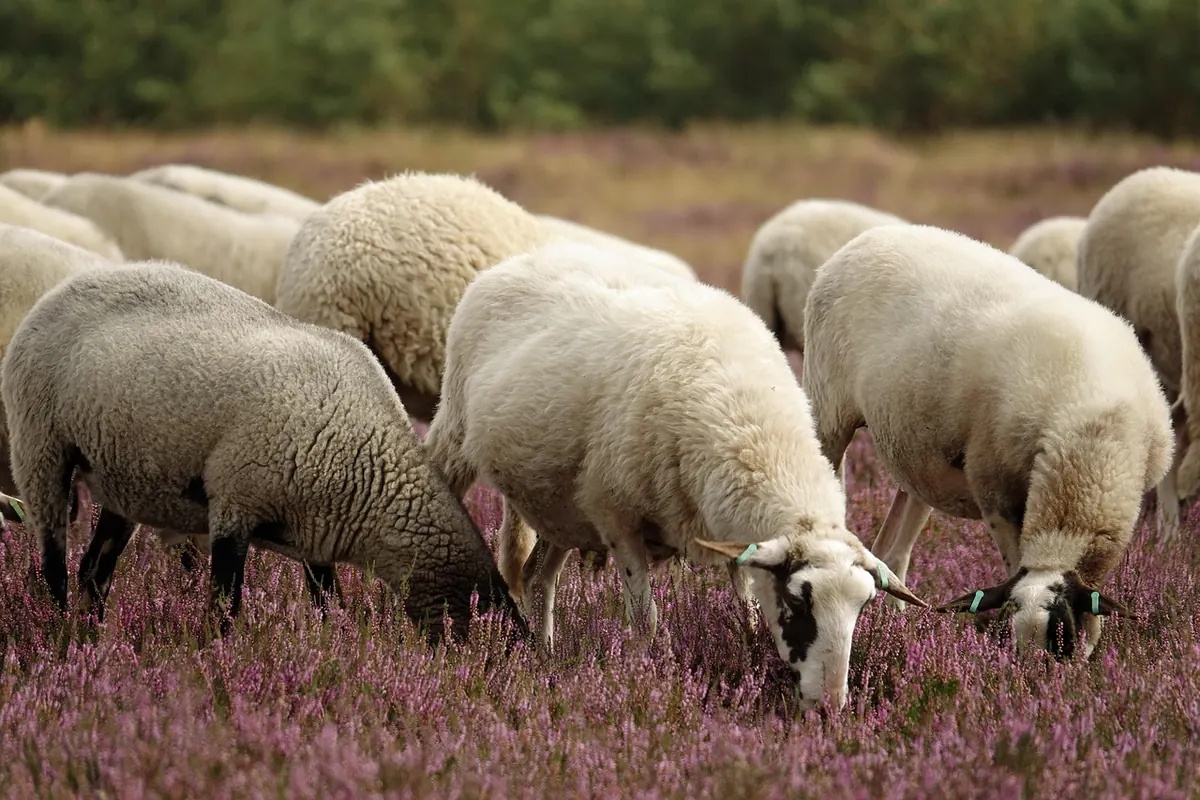
Grazing animals are the traditional tool for keeping heath open, but stocking rates imported from farmland will strip a recovering site bare. Overgrazing removes heather seedlings before they establish, opens bare ground to erosion, and favours grasses that outcompete the very species you are trying to encourage.
Under-grazing is just as damaging in the long run, letting birch, pine and bracken take hold. The window between the two is narrower than most plans assume, and it shifts with rainfall, soil fertility and the age of the vegetation.
Ways to keep it honest:
- Start with lower stocking densities than the textbook suggests, then increase slowly over several seasons.
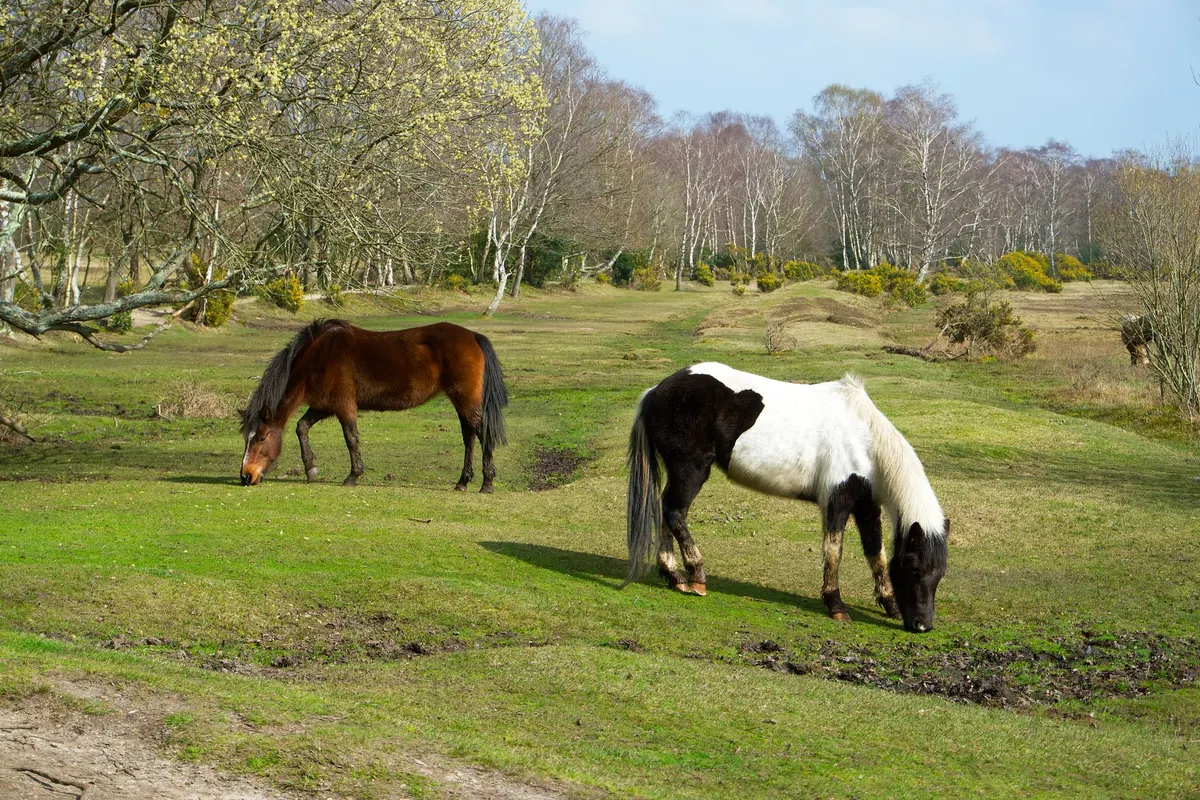
- Match the animal to the job — hardy breeds suited to rough grazing behave very differently from commercial stock.
- Exclude animals from fragile areas such as lichen-rich patches and bare sand with temporary fencing.
- Walk the site regularly and record what you see, rather than relying on the plan written three years ago.
- Be ready to remove animals mid-season if growth stalls. Flexibility matters more than tidiness.
3. Assuming the Seed Bank Will Do the Work
Heather seed does not survive for decades buried in soil the way some wildflower seeds do. On former arable land, or on sites that were ploughed or heavily fertilised, there is often nothing left to germinate. Waiting for a miracle is a common and expensive mistake.
The other side of the coin is using the wrong material. Seed or plug plants from a distant region may be genetically mismatched to local conditions, flower at the wrong time, or carry a growth habit that does not suit the site. Nature conservation guidance generally favours local provenance — material from nearby sites of similar character, ideally within the same landscape area.
Getting seed sourcing right
Collect from donor sites with the same soil type and climate, and take only a small proportion of what is there. If you are translocating turfs or brash containing heather seed, move it and lay it quickly; seed viability drops fast. Where local material is genuinely unavailable, discuss options with your local wildlife trust or conservation body rather than ordering the cheapest bulk mix online.
4. Ignoring Soil Chemistry and Hydrology
Heathland species are adapted to nutrient-poor, acidic soils. If your site has residual phosphate from decades of fertiliser, or drainage that has been altered, adding heather plants is like planting a desert species in a marsh. They may survive a season and then fade.
Test the soil before designing anything. Check pH, phosphorus and organic matter. Look at where water sits in winter and how quickly it drains. Restoring hydrology — blocking grips and drains, removing artificial channels — is often more valuable than any planting, because waterlogged, nutrient-poor conditions suppress the grasses and trees that would otherwise swamp a young heath.
Where nutrient levels are high, topsoil stripping can work, but it is destructive, expensive and must be done carefully to avoid destroying archaeological features or leaving a barren surface that never recovers. It is a last resort, not a first move.
5. Disturbing Wildlife at the Wrong Time
Ground-nesting birds, reptiles, invertebrates and rare plants all use heathland, and they all have sensitive seasons. Heavy machinery, burning or turf-cutting carried out in spring or early summer can destroy nests and kill overwintering larvae.
Plan work for late autumn and winter where the site allows it. If a protected species is present, get advice and, where required, a licence before you start. This is not box-ticking; a single careless pass with a flail can undo years of recovery.
6. Losing the Landscape Context
A restored heath surrounded by intensive agriculture, roads and drainage ditches will struggle. Species need to move between patches, and small isolated sites lose biodiversity over time. Look beyond your boundary: can you connect to a neighbouring site, a hedgerow, a rough field margin?
Likewise, talk to the people who live and work nearby. Livestock keepers, commoners with grazing rights, local walkers and parish councils can make or break a project. A site that feels imposed on its neighbours tends to be vandalised or quietly neglected. One that people helped shape tends to be looked after.
7. Measuring the Wrong Things
Photographs of heather in August prove very little. Useful monitoring records vegetation composition, bare ground percentage, and the presence of indicator species over time. Set fixed monitoring points and return to them at the same time each year.
Accept that recovery is slow. Heather can take many years to establish from seed, and the invertebrate community takes longer still. Judging a ten-year process by a two-year snapshot leads to premature declarations of failure and premature declarations of success.
A Short Checklist Before You Start
- Confirm who will manage the site in ten years, and how it will be funded.
- Test soil chemistry and survey hydrology before designing anything.
- Secure genuinely local seed, turf or brash — and move it fast.
- Set conservative grazing levels and review them every season.
- Schedule works outside sensitive breeding and overwintering periods.
- Install fixed monitoring points and record them annually.
- Talk to neighbours, graziers and local conservation bodies early.
None of this is glamorous. Much of it is patience, paperwork and walking the same route year after year with a clipboard. But heathland was never created by a single intervention. It was made by people who used it carefully over generations. Restoration works best when it accepts that inheritance and commits to the long, unglamorous version of the job.
Photo: Tường Chopper / Pexels